France Is The Future Of The Progressive Project

France Is The Future Of The Progressive Project
  • Probably, you have read about the recent round of riots in France. They began in late September, and are now in their fourth week.

  • This round of riots features mostly students, and the stated bases for the protests certainly appear quite mundane, if not trivial, and certainly out of proportion to the scale and intensity of the riots. What are they so worked up about? They are demanding things like hiring more teachers, repair of dilapidated school buildings, more and better air conditioning and heating, universal school lunches at 1 euro, and so forth. (Here is a list of the demands (in French) from something calling itself the Union of Students.).

  • Meanwhile the riots have involved hundreds of thousands of participants on many days, multiple schools burned down, lots of violence, and thousands of arrests (the majority, but far from all, being high school students).

  • The big picture is that France has painted itself into the inevitable corner at the end of the progressive project.
Read More

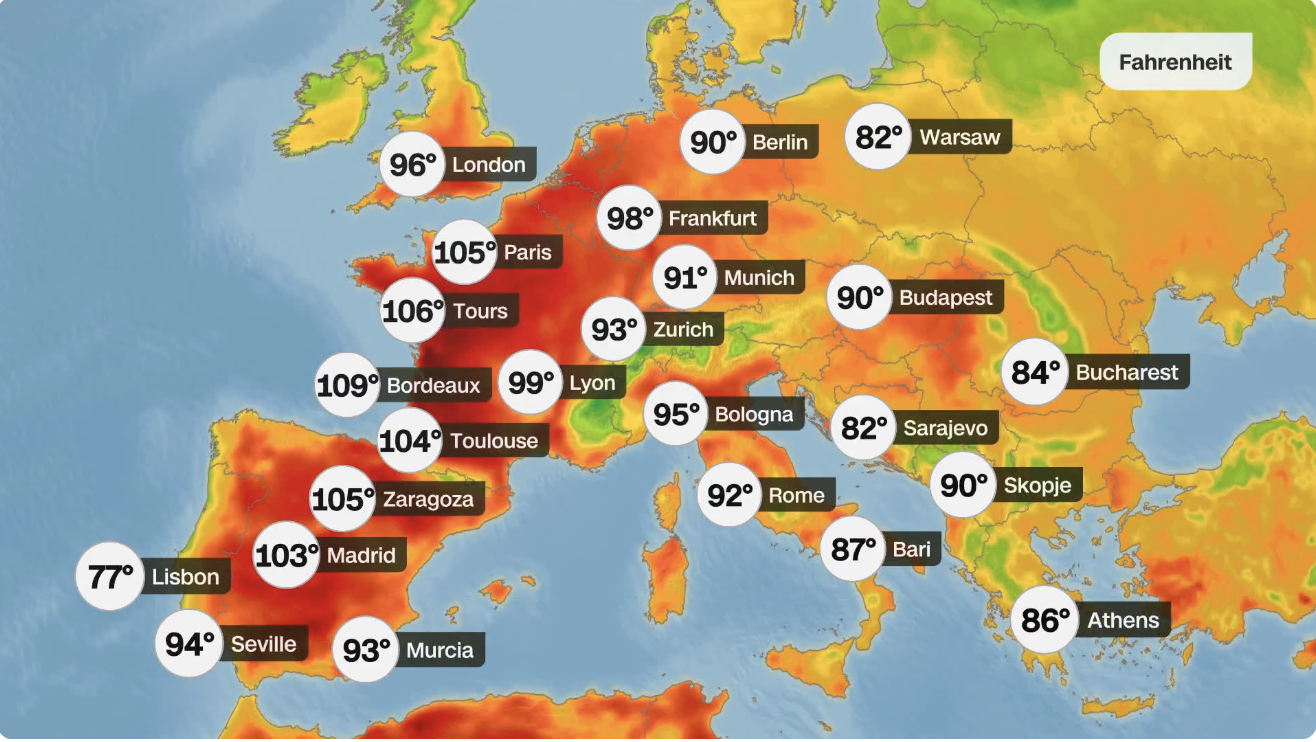
In France, The Government Tries To Prevent The People From Getting Air Conditioning

In France, The Government Tries To Prevent The People From Getting Air Conditioning
  • A remarkable feature of governments in Europe is the extent to which they operate explicitly against the interest of their citizens and voters.

  • They give an outward appearance of being democracies, and they hold regular elections, but somehow the people in power are a self-perpetuating political clique that, from all evidence, seems to hold the ordinary working people and voters in complete contempt.

  • Prime examples of operating against the interests of the people include: opening the borders to millions of impoverished migrants who hate the host countries; and imposing a fantasy “energy transition” that drives up the cost of energy and destroys industrial jobs without any measurable effect on the climate.

  • A new example of the hatred of the governing class for the ordinary people has emerged in the past couple of weeks.

Read More

Britain: Time To Go Back To Coal

Britain:  Time To Go Back To Coal
  • Among our “climate leader” jurisdictions, Britain is a serious contender for the top spot. Sure Germany got started earlier than Britain, with the so-called “Energiewende” going back to the 1990s; and upstart American states like California and New York each think that their own hair shirt energy restrictions should qualify them for the number one position.

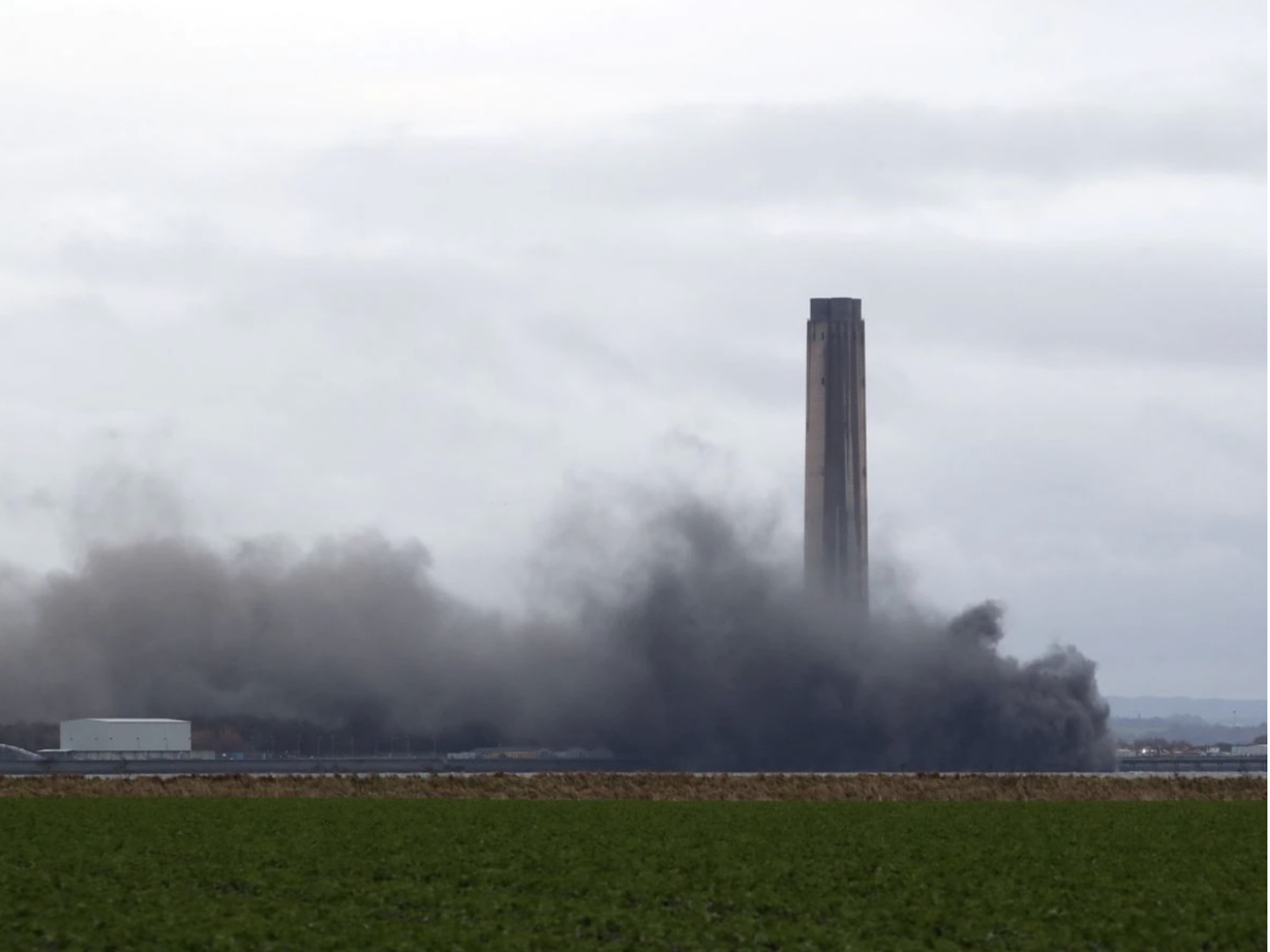
  • But Britain’s suite of policies in the aggregate is hard to top: mandatory Net Zero goals set by statute; madcap buildout of wind and solar electricity generation; shuttering of generation from coal and natural gas; refusal to permit drilling in the North Sea; complete ban on fracking. The Energy Minister of the current Labour government — Ed Milliband — is as crazed a climate zealot as you can find anywhere. The British have even dynamited coal-fired power stations to be sure that nobody could ever change their minds about this Net Zero thing and try to re-start the plants.

  • Unfortunately for the British, their wind and solar generation facilities seem to be subject to all going quiet at the same time, often inconveniently at the very hottest or coldest times of the year. Building more and yet more of them does not solve the problem. Some call this Britain’s “looming firm generation capacity crisis.”

  • So what’s the answer? How about doing the unthinkable — bring back coal!

Read More

A Bright New Energy Dawn In The UK

  • It was just a couple of weeks ago — October 3 to be precise — that I reported that the long-running “net zero” political consensus in the UK was finally “crumbling.” In the intervening two-plus weeks, the slow crumbling has turned into a rapid collapse.

  • The biggest roadblock for opponents of a green energy transition in the UK has been that the Conservative Party, which should have been the natural home of opposition to net zero, has instead long (and foolishly) allied itself with the net zero cause. In June 2019, the Conservatives (under Prime Minister Theresa May) put through an ambitious amendment to enhance the net zero targets of the 2008 Climate Act, and then proceeded to a general election that December where they won a substantial majority of 365 seats (in a parliament of 650).

  • In subsequent years, a parliamentary faction in the House of Commons called the Net Zero Scrutiny Group struggled to get to about 50 or so Conservative members, who were far outnumbered by the opposing faction of the same party called the Conservative Environment Network. The UK voters had surely demonstrated their climate virtue.

  • But unfortunately things did not work out quite as they had anticipated.

Read More

The Problem With A Regime That Criminalizes "Hate Speech"

  • “Hate speech.” The term calls to mind every sort of vile and disgusting insult and racial and ethnic slur.

  • Who could possibly be in favor of allowing that? Large numbers of people instinctively assume that hateful statements, particularly those based on racial, religious or ethnic categories, must surely be illegal.

  • But here in the U.S., such statements in general are not illegal, and not subject to criminal prosecution. A couple of weeks ago, our Attorney General Pam Bondi was recorded on a podcast saying that “We will absolutely . . . go after you, if you are targeting anyone with hate speech . . . . You can’t have that hate speech in the world in which we live.” I, among many others, pointed out that Ms. Bondi had badly mis-stated U.S. law on the subject. Our Supreme Court has drawn a line under the First Amendment that makes almost all “hate speech” constitutionally protected, short of incitement to imminent violence.

  • If you think that that line might not make sense, consider the alternative. Over in the UK, they have seen fit to criminalize “hate speech.”

Read More

In The UK The Net Zero Consensus Has Crumbled

  • Here in the U.S., ever since the push to “de-carbonize” the energy system to “save the planet” from global warming got going in a big way 20 or so years ago, there has always been a critical mass of skeptics strongly pushing back. I count myself among them. Another prominent example is the CO2 Coalition, an organization of about 200 scientists and intellectuals who dissent from the climate orthodoxy. Large portions of our Republican Party — recently approaching near unanimity — have also joined the dissent from climate orthodoxy.

  • But over in Europe, the same has not been true at all; and it has particularly not been true in the UK. There, at least until very recently, there was a near total consensus across the political spectrum in favor of mandatory reductions in carbon emissions, with an ultimate goal of zero emissions.

  • Well, let’s take a look at where the UK finds itself today.

Read More